StandardBarberSumgait
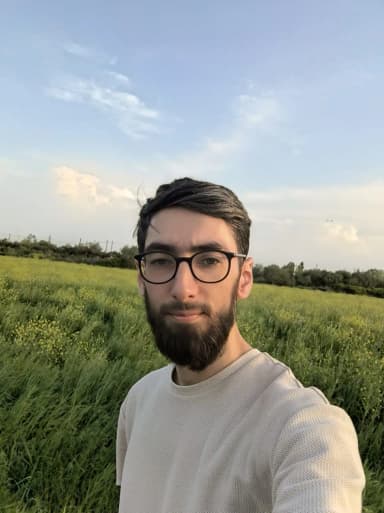
Bərbər Orxan
I have been working in this field for almost 8 years.
- Views
- 137
- Halal statements
- 14
Halal conditions
Orxan Əliyev follows halal rules in their personal life.
The halal requirements for a barber can be divided into several main groups:
- Hygiene and Health (the most important requirement)
A barber's greatest halal duty is to protect the customer's health.
- Sterilisation of tools: Changing or disinfecting the scissors, comb and especially the razor (blade) after each customer. Passing one person's illness on to another is a great responsibility and is regarded as a violation of people's rights (qul haqqı).
- Cleanliness: Keeping the workplace, towels and barber capes clean is a requirement.
- Financial Halal Conduct and Pricing Policy
- Transparent pricing: The customer must know the price before sitting in the chair, or the price list must be in a visible place. Demanding unexpected sums under the name of "extra services" after the work is done is forbidden.
- People's rights (qul haqqı): Not making the customer wait in the queue for nothing, and not letting acquaintances jump the queue (the principle of fairness).
- Craft and Quality
- Doing the job justice: If unable to do the style the customer wants, saying so honestly. Spoiling the customer's hair while saying "it will turn out fine" is forbidden.
- Product quality: The shampoo, dye or other care products used must not be expired, and poor-quality (counterfeit) products must not be presented under the original name. It is a requirement that the products are halal and not harmful to human health.
- Moral and Ethical Rules
- Keeping secrets: The barber's chair is sometimes like a "confession seat". Telling others the personal information or family secrets the customer has shared (gossiping) is forbidden.
- Sharia and Aesthetic Restrictions
- The "Qaza" prohibition: shaving one part of the hair completely and keeping another part long (for example, the modern "mohawk" or sharply asymmetric cuts) is noted in the hadiths as a disliked (makruh) act.
- Conformity with fitra (natural disposition): Staying away from cuts and procedures that make a man resemble a woman or a woman a man (for example, thinning the eyebrows in a feminine way) is in line with the principle of "preserving the fitra".
- Beard trimming: the beard may not be shaved completely at the root.
Important note: A barber is also an "aesthetic architect". The barber's aim should be to preserve and bring out the beauty (fitra) that God has given a person.
Bərbər Orxan
I have been working in this field for almost 8 years. I am very meticulous in my work.
Owner
Orxan Əliyev
Reviews
No approved reviews yet.
Write a review
Sign in to leave a review. No password needed — we email you a one-time link.
Sign in